Economic decarbonization
Funding the most effective decarbonization measures
We support you, as management, in identifying climate risks early on, prioritizing investments strategically, and implementing decarbonization in an economically viable manner. With a focus on margins, supply security, and measures that align with your company and market requirements.
Our answers
Your questions
Which measures are economically worthwhile for your decarbonization – and what can you save by using?
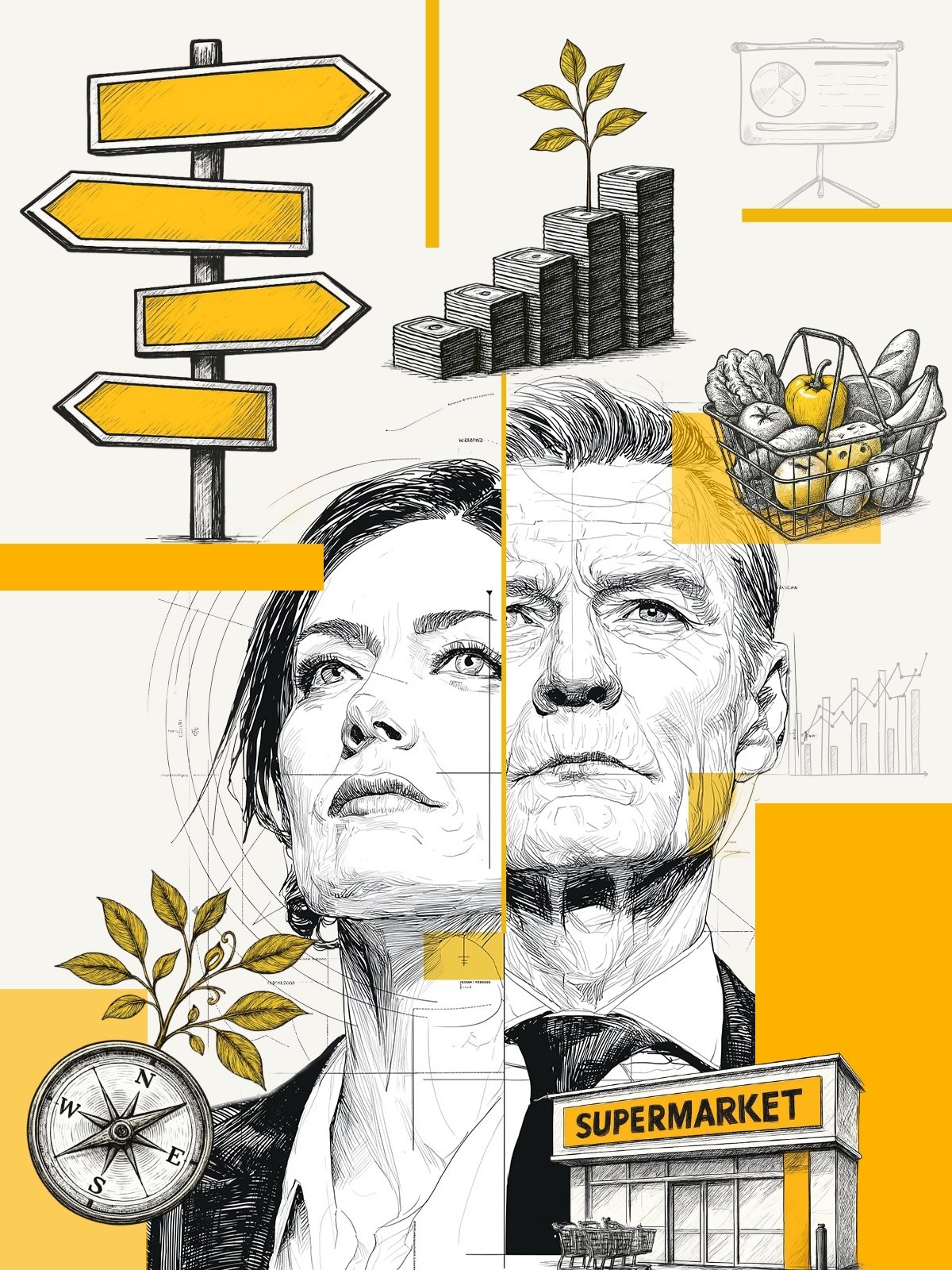
We evaluate measures based on four criteria: CO2 impact, investment requirements, ongoing costs, and feasibility. To do this, we analyze Scope 1, Scope 2, and Scope 3 measures with regard to Capex, Opex, savings, risks, and new business opportunities. This results in an economically viable climate transition plan for your company, complete with goals and measures, which serves as the basis for investment and budget decisions. In our work, we keep a close eye on the needs of your customers: food retailers, industrial clients, and consumers, as well as their individual purchasing decisions. We also work with you to demonstrate why it’s worth it.
Where does your company need to invest?
We identify which measures will trigger investments in the short, medium, and long term and estimate the likely costs. Together with you, we develop a realistic implementation plan that fits your financial constraints—with clear priorities rather than a long list of parallel projects.
What sustainable risks could threaten your margins, supply capabilities, and revenue in the future?
We identify early on how climate and biodiversity changes impact your raw materials, suppliers, locations, and customer requirements—even before risks manifest in prices or traditional analyses. In doing so, we identify not only current risks but also structural changes affecting availability, costs, quality, and customer requirements (“Revenue and Earnings at Risk”). Building on this, we develop concrete procurement strategies and measures that enable you to actively manage and address risks early on. This allows you to establish a sound basis for decision-making, strengthen the resilience of your supply chains, and secure long-term margins, supply security, and price stability.
Which measures are economically worthwhile for your decarbonization – and what can you save by using?
We evaluate measures based on four criteria: CO2 impact, investment requirements, ongoing costs, and feasibility. To do this, we analyze Scope 1, Scope 2, and Scope 3 measures with regard to Capex, Opex, savings, risks, and new business opportunities. This results in an economically viable climate transition plan for your company, complete with goals and measures, which serves as the basis for investment and budget decisions. In our work, we keep a close eye on the needs of your customers: food retailers, industrial clients, and consumers, as well as their individual purchasing decisions. We also work with you to demonstrate why it’s worth it.
Where does your company need to invest?
We identify which measures will trigger investments in the short, medium, and long term and estimate the likely costs. Together with you, we develop a realistic implementation plan that fits your financial constraints—with clear priorities rather than a long list of parallel projects.
What sustainable risks could threaten your margins, supply capabilities, and revenue in the future?
We identify early on how climate and biodiversity changes impact your raw materials, suppliers, locations, and customer requirements—even before risks manifest in prices or traditional analyses. In doing so, we identify not only current risks but also structural changes affecting availability, costs, quality, and customer requirements (“Revenue and Earnings at Risk”). Building on this, we develop concrete procurement strategies and measures that enable you to actively manage and address risks early on. This allows you to establish a sound basis for decision-making, strengthen the resilience of your supply chains, and secure long-term margins, supply security, and price stability.
They trust us














Selection of case studies
Our projects in this area

Sustainable
business practices
We bring together things that many people think don’t go together—but that actually belong together. Because only those who operate sustainably can remain competitive in the long run.
25+ years of
experience
More than two decades of Systain prove that, for us, sustainability is not just a trend, but has always been our motivation and conviction for shaping the future.
Consulting that leads to action
The world needs sound decisions and meaningful change. That is why we help companies successfully implement sustainable strategies.